
Selecting nurse call equipment for healthcare facilities is a critical decision that directly impacts patient safety, staff efficiency, and overall quality of care. Nurse call systems serve as the communication backbone between patients and healthcare providers, enabling timely responses to patient needs. When choosing nurse call equipment, healthcare administrators must consider several factors to ensure the system meets the specific demands of their environment.
First and foremost, reliability is essential. Nurse call systems must operate seamlessly without interruptions, as any failure can compromise patient safety. Healthcare facilities should opt for equipment from reputable manufacturers known for durable and dependable products. Additionally, the system should have backup power options or fail-safe mechanisms to function during power outages or technical issues.
Integration capabilities are another crucial aspect. Modern healthcare environments utilize various technologies, such as electronic health records (EHR), patient monitoring devices, and mobile communication tools. Selecting nurse call equipment that integrates smoothly with existing systems enhances workflow efficiency and reduces response times. For example, integration with mobile devices allows nurses to receive alerts directly on their smartphones or pagers, enabling faster action.
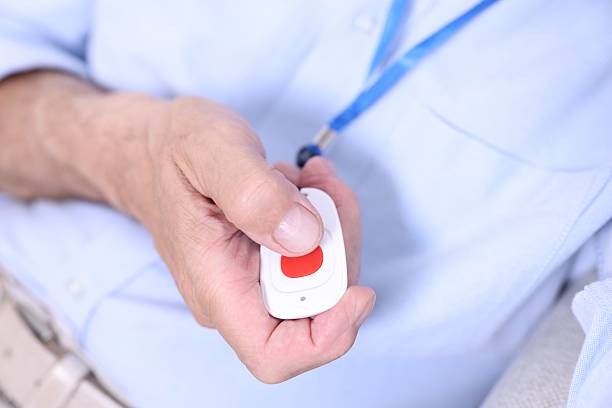
Ease of use is vital for both patients and staff. The equipment should feature intuitive interfaces and straightforward controls. Patients, especially those who are elderly or have limited mobility, need accessible call buttons or wireless pendants. For staff, the system should provide clear notifications and easy acknowledgment functions. Training requirements should also be minimal to ensure quick adoption and reduce potential errors.
Scalability and customization options are important considerations as well. Healthcare facilities vary in size and patient volume, and their needs may evolve over time. Selecting nurse call equipment that can be expanded or customized allows the system to adapt to changing requirements without significant additional costs. For instance, features like room-to-room communication, staff-to-staff messaging, or specialized alarm types can be added based on specific needs.
Compliance with healthcare regulations and standards is mandatory. Nurse call systems must meet guidelines such as those established by The Joint Commission and other regulatory bodies to ensure patient safety and data security. Facilities should verify that the equipment complies with relevant certifications and standards before procurement.
Finally, cost-effectiveness should be balanced with quality. While budget constraints are common in healthcare, investing in high-quality nurse call equipment reduces maintenance expenses and enhances patient satisfaction in the long run. Decision-makers should evaluate total cost of ownership, including installation, training, maintenance, and potential upgrades.
In conclusion, selecting nurse call equipment for healthcare requires careful evaluation of reliability, integration, usability, scalability, compliance, and cost. By prioritizing these factors, healthcare facilities can implement systems that improve communication, enhance patient care, and support staff efficiency.