
Urban development is a multifaceted process that involves the transformation of landscapes to meet the needs of growing populations and evolving cities. At the heart of this transformation are construction and excavation, two pivotal activities that shape not only the physical environment but also influence economic, social, and environmental aspects of urban life.
Construction is central to urban development as it provides the infrastructure necessary for modern living. This includes residential buildings, commercial complexes, transportation networks, and public amenities. The construction industry plays a crucial role in determining how efficiently space within cities is utilized. Through innovative architectural designs and engineering solutions, construction projects can maximize available land while enhancing aesthetic appeal and functionality. Moreover, advancements in building materials and techniques have led to more sustainable practices that reduce energy consumption and minimize environmental impact.
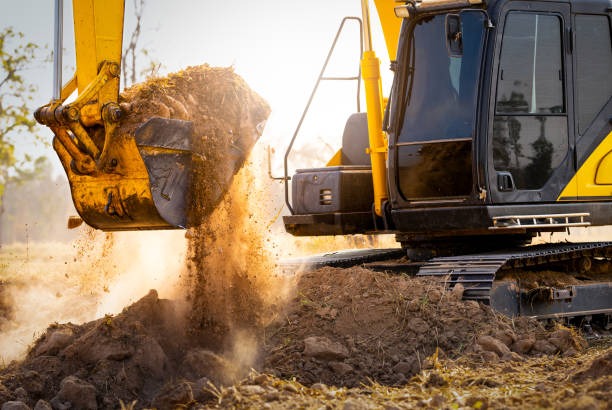
Excavation complements construction by preparing sites for new developments. dive deeper into it involves earth-moving operations that lay the groundwork for foundations of buildings or other structures. Excavation is critical in ensuring stability and safety in urban environments where space is often limited. Proper excavation techniques help manage soil erosion, prevent flooding by improving drainage systems, and support underground infrastructure such as subways or utilities which are vital for city operations.
Together, construction and excavation contribute significantly to shaping today’s urban landscapes by influencing patterns of growth and density within cities. They determine how spaces are organized—whether through high-rise buildings that accommodate more people per square foot or sprawling suburbs designed for family living with ample green spaces. Urban planners rely on these industries to create balanced environments where residents can work, live comfortably without congestion issues prevalent in densely populated areas.
Furthermore, these activities stimulate economic growth by creating jobs across various sectors from skilled laborers on-site to professionals involved in project management or design phases contributing towards GDP increases at local levels due largely because they attract investments into regions undergoing rapid transformations thereby boosting property values over time making them appealing destinations both domestically internationally alike fostering vibrant communities enriched culturally socially economically speaking too!
However important acknowledging potential challenges associated with large-scale constructions excavations including displacement existing communities noise pollution traffic disruptions among others careful planning mitigation strategies essential addressing concerns maintaining quality life amidst ongoing developments thus ensuring harmonious coexistence between human natural environments ultimately leading sustainable future generations enjoy benefit fruits labor today’s efforts!
In conclusion while complexities inherent processes cannot understated nor should their significance overlooked when discussing contemporary urbanization trends indeed integral components responsible driving forward progress innovation within ever-changing world constantly adapting meet demands burgeoning population pressures simultaneously preserving heritage conserving resources responsibly thoughtfully manner possible!