
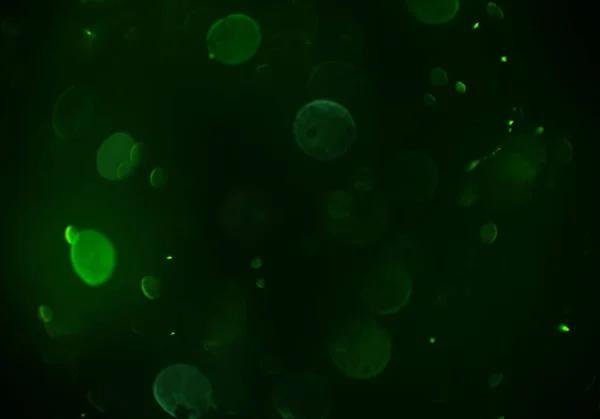
Transfection is a fundamental technique in molecular biology that enables the introduction of nucleic acids into cells, facilitating gene expression studies, protein production, and therapeutic research. The efficiency of this process largely depends on the choice of transfection reagent, which must effectively deliver genetic material while maintaining cell viability. Powerful transfection reagents designed for high gene expression have revolutionized laboratory workflows by offering enhanced delivery capabilities combined with reduced cytotoxicity.
Modern transfection reagents are engineered to form stable complexes with DNA or RNA molecules, protecting them from degradation and promoting cellular uptake. These reagents often utilize cationic lipids or polymers that interact electrostatically with negatively charged nucleic acids. This interaction facilitates the formation of nanoparticles capable of traversing the cell membrane through endocytosis or direct fusion. Once inside the cell, these complexes release their cargo efficiently dive deeper into it the cytoplasm or nucleus where transcription can occur.
One key advantage of advanced transfection reagents is their ability to achieve high gene expression levels across a wide range of cell types, including hard-to-transfect primary cells and stem cells. This versatility makes them invaluable tools for diverse applications such as functional genomics, drug discovery, and vaccine development. High transfection efficiency ensures robust protein production and accurate modeling of gene function without requiring excessive amounts of DNA or RNA input.
In addition to efficacy, safety profiles are critical when selecting a transfection reagent. Powerful formulations minimize toxicity by optimizing lipid composition or polymer structure to reduce adverse effects on cellular metabolism and morphology. Maintaining healthy cells throughout experimentation allows for reliable downstream analyses like fluorescence imaging, flow cytometry, or quantitative PCR without confounding variables introduced by reagent-induced stress.
Another important consideration is reproducibility across experiments and laboratories. Leading manufacturers rigorously test their products under standardized conditions to guarantee consistent performance batch after batch. Moreover, many powerful reagents come with optimized protocols tailored for specific cell lines and nucleic acid types to simplify experimental design and increase success rates.
The growing demand for scalable solutions has prompted development efforts focused on compatibility with both small-scale research settings and large-scale bioproduction environments. Transfection reagents suitable for transient expression enable rapid screening processes while those compatible with stable integration facilitate long-term studies involving genetically modified cell lines.
Overall, powerful transfection reagents designed for high gene expression represent essential components in modern life sciences research toolkits. Their combination of efficiency, low toxicity, broad applicability, and reproducibility empowers scientists to explore complex biological questions more effectively than ever before. Selecting an appropriate reagent aligned with experimental goals contributes significantly to obtaining meaningful data while preserving cellular integrity throughout investigations involving genetic manipulation techniques.