
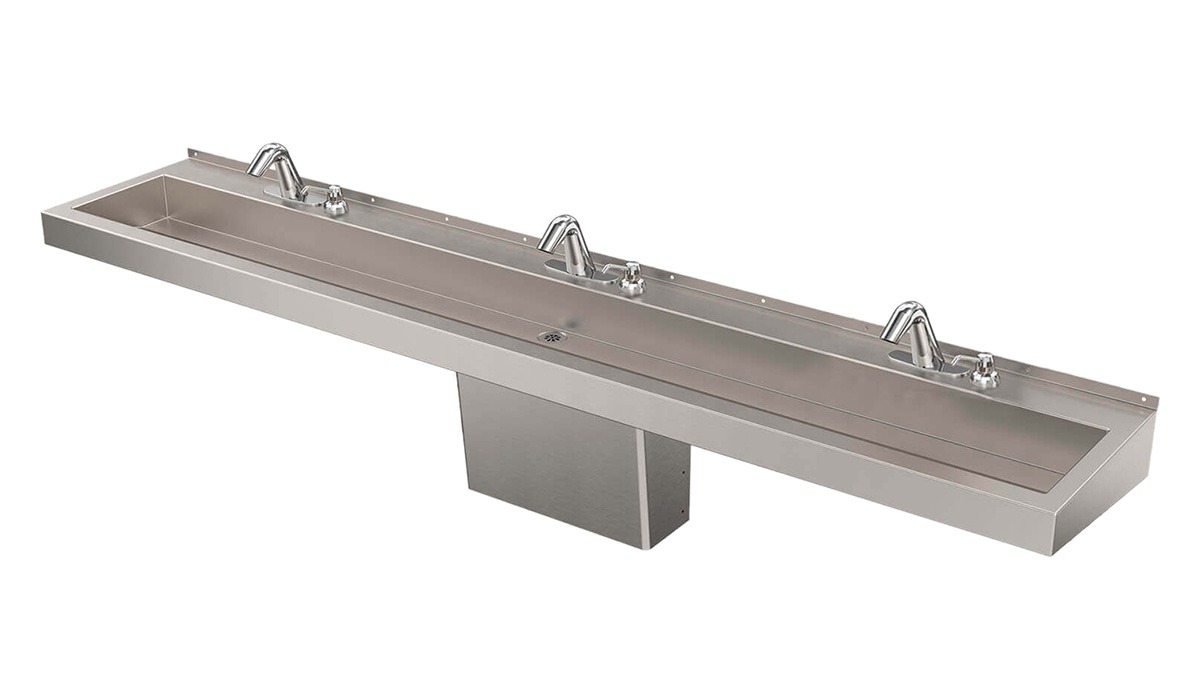
Commercial sinks play a vital role in enhancing kitchen efficiency, particularly in busy food service environments where speed, hygiene, and organization are paramount. These sinks are designed to handle high volumes of dishes, utensils, and food preparation tasks while meeting strict sanitation standards. Their robust construction and specialized features contribute significantly to streamlining kitchen workflows.
One of the primary ways commercial sinks improve efficiency is through their size and capacity. Larger basins allow for washing multiple items simultaneously without overcrowding, reducing the time spent on cleaning cycles. This increased space also accommodates bulky pots, pans, and trays that are common in commercial kitchens but often difficult to clean in standard residential sinks. By enabling more thorough cleaning in fewer batches, these sinks help maintain a steady pace during peak hours.
Additionally, many commercial sinks come with multiple compartments tailored for specific purposes such as washing, rinsing, and sanitizing. This separation ensures that each step follows proper hygiene protocols while allowing staff to move seamlessly from one stage to another without cross-contamination or delays. The multi-compartment design promotes an organized workflow by clearly defining areas for different tasks within the same unit.
The materials used in Commercial Sink construction further enhance performance and durability. Stainless steel is the most common choice due to its resistance to corrosion, ease of cleaning, and ability to withstand heavy use over extended periods. This durability means fewer repairs or replacements are needed over time, minimizing downtime caused by equipment failure.
Ergonomic considerations also contribute to improved efficiency. Commercial sinks often feature adjustable heights or integrated drainboards that reduce strain on workers by providing convenient access points for loading and unloading dishes or ingredients. These design elements support faster task completion while promoting worker comfort during long shifts.
Moreover, advanced commercial sink models may include built-in faucets with flexible hose sprayers or pre-rinse units that facilitate rapid removal of food residues before washing begins. Such features accelerate the cleaning process by ensuring items enter each phase cleaner than they would otherwise be after manual scrubbing alone.
In summary, commercial sinks offer essential advantages that boost kitchen productivity through larger capacities, compartmentalized designs supporting hygienic workflows, durable materials suited for heavy use, ergonomic benefits enhancing worker comfort and speedier cleaning mechanisms like pre-rinse sprayers. Together these factors create a more efficient environment where staff can focus on preparing quality meals rather than being slowed down by inefficient dishwashing processes or inadequate sanitation facilities. Investing in high-quality commercial sinks is therefore a practical decision for any professional kitchen aiming to optimize operations without compromising cleanliness standards or employee well-being.